Dry skin and dehydrated skin are not the same thing, even though both cause that unpleasant feeling of tightness. Dry skin is a permanent skin type, linked to insufficient sebum production.
Dehydration is a temporary state, a lack of water in the outer layers of the epidermis, which can affect any skin type, including oily skin.
Using the same products in both cases is the most common mistake, and it explains why so many skincare routines bring no result.
- Dry skin and dehydrated skin: two very different conditions
- What is dry skin?
- What is dehydrated skin?
- How can you recognise your skin type? A simple test
- Signs of dry skin
- Signs of dehydrated skin
- The causes: why is my skin suffering?
- What makes dry skin worse
- What dehydrates the skin
- Treatments: which approach for your profile?
- Treating dry skin: restoring lipids in depth
- Rehydrating dehydrated skin: putting water back into the epidermis
- When should you see a doctor about your skin?
- Frequently asked questions
- Conclusion
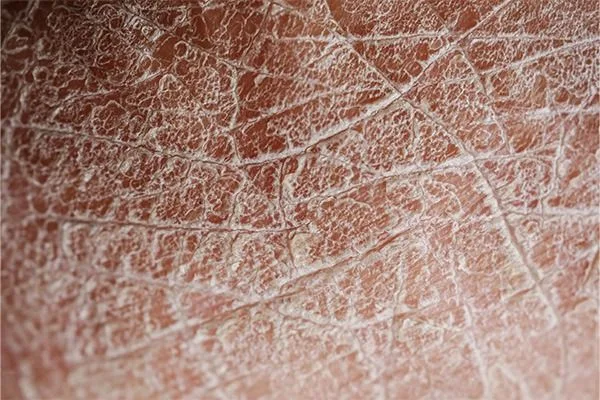
What is dry skin?
Dry skin is a constitutional skin type: you are born with it, even if it gets worse with age, hormonal changes or certain medicines. Its defining feature is insufficient sebum production, which permanently weakens the skin barrier.
In practical terms, dry skin lacks lipids. It feels tight and rough, peels in patches and reddens easily. These symptoms are there in winter and summer alike, in an air-conditioned office as much as in the mountains. It is not a reaction to circumstances; it is how the skin works at a basic level.
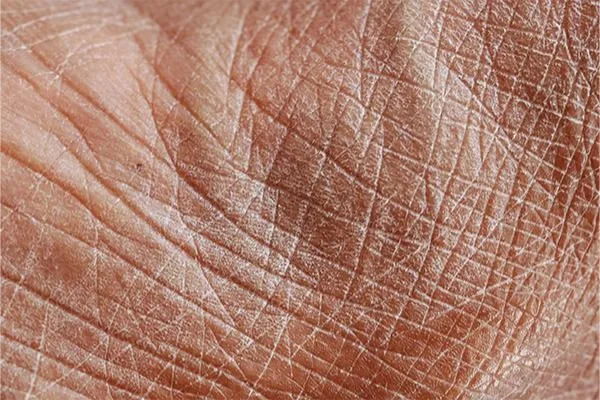
What is dehydrated skin?
Skin dehydration is not a skin type but a state. It is temporary and reversible, and can occur in any skin type: dry, combination, normal or oily. Oily skin can certainly lack water.
What is missing here is water, not lipids.
The epidermis holds less water than it should, which dulls the complexion, brings out fine lines around the eyes and mouth, and creates a feeling of tightness that varies with the seasons, your diet or the products you use.
How can you recognise your skin type? A simple test
Before choosing a treatment, you need to know what you are really dealing with. During a consultation at the Clinique de la Croix d'Or, the doctor carries out a detailed skin assessment. At home, a few observations are already enough to point you in the right direction.
Signs of dry skin
Dry skin usually shows these features:
- tightness that persists even after applying a moisturiser
- a persistently rough or flaky texture, especially on the cheeks, forehead and shins
- barely visible pores, sometimes almost invisible
- increased sensitivity to cold, wind and cosmetic products
- everyday discomfort, whatever the season
If these signs have been there since childhood, or keep coming back whatever routine you follow, your skin is probably dry by nature.
Signs of dehydrated skin
Dehydrated skin shows a different picture:
- a dull complexion that lacks radiance
- fine, superficial lines that come and go
- a feeling of tightness that varies with the season, stress or diet
- skin that can look oily in the T-zone and feel tight on the cheeks at the same time
- visibly enlarged pores, sometimes with small dehydration spots
Symptoms that fluctuate and get worse after a holiday or a busy week rarely point to dry skin: they point to skin that lacks water.
The causes: why is my skin suffering?
What makes dry skin worse
Skin dryness is primarily genetic, but several factors make it worse:
- age and the menopause, which reduce the production of sebum and oestrogen
- certain medicines such as retinoids, diuretics or acne treatments
- the climate: the wind off the lake, the winter cold and the dry air in Geneva homes in winter make dryness noticeably worse
- harsh soaps or cleansers that strip away what remains of the skin's lipid film
What dehydrates the skin
Dehydration, on the other hand, has causes that are more behavioural and environmental, and therefore easier to correct:
- not drinking enough, particularly during summer heat or when flying
- cleansers containing sulphates or alcohol, which disrupt the skin barrier
- prolonged unprotected sun exposure, common in summer on the shores of Lake Geneva (a precaution that matters all the more after a dermatological treatment)
- air conditioning and indoor heating, which dry out the air
- chronic stress, which disrupts the production of certain barrier lipids
- a diet low in essential fatty acids and water
Treating dry skin: restoring lipids in depth
Dry skin needs lipids, not just water. The key ingredients to look for in a suitable routine are ceramides, fatty acids (particularly linoleic acid), squalane and shea butter. These ingredients rebuild the lipid film and strengthen the skin barrier over time.
At the clinic, a personalised dermatological assessment identifies how dry the skin is and guides you towards suitable treatments. A gentle lipid-restoring peel can revive the complexion and improve surface texture, while microneedling can stimulate collagen production and strengthen skin quality in depth.
Cosmeceutical products prescribed by the doctor (active serums, high-concentration barrier creams) are an effective complement to in-clinic treatments. Our dermatology rates give an overview of the treatments available.


Rehydrating dehydrated skin: putting water back into the epidermis
Dehydrated skin needs humectant ingredients that attract and hold water in the epidermis: hyaluronic acid, glycerin, low-concentration urea and niacinamide. A simple routine of a gentle cleanser, a hydrating serum and an occlusive cream is often enough to restore a good level of hydration within a few weeks.
When dehydration is deep or does not respond to topical products, skin booster injections are the most targeted medical option. The hyaluronic acid is placed directly in the dermis, where creams cannot reach, and the effect lasts several months. For skin that has also lost volume, hyaluronic acid injections can address both issues at the same time.
When should you see a doctor about your skin?
Some signs call for medical care rather than self-treatment:
- dryness that persists after several weeks of a well-followed routine
- persistent itching, especially at night
- red or scaly patches, or patches that spread
- chronic, recurrent peeling
- marked dehydration despite drinking regularly and eating a balanced diet
These symptoms may be caused by a skin condition: seborrhoeic dermatitis, eczema or psoriasis. These conditions need an accurate diagnosis before any treatment. At the Clinique de la Croix d'Or, the consultation is where this assessment is made and a coherent protocol is suggested.
For skin that combines dryness with pigment spots or uneven texture, targeted treatments for pigment spots can be included in the same protocol. See our face rates or book an appointment online.
Frequently asked questions
Can skin be oily and dehydrated at the same time?
Can dehydrated skin cause spots?
How can you quickly hydrate very dehydrated skin?
Dry skin and eczema: what is the difference?
Are clinic treatments for dry skin reimbursed in Switzerland?
Conclusion
Two problems that look alike, with two distinct causes and two opposite approaches. Knowing the difference changes more than the cream you buy: it changes the whole logic of your skincare. If you have not yet found what works for your skin, a medical assessment is often what makes the difference.
Book an appointment at the Clinique de la Croix d'Or in Geneva.

Book your appointment today
Book an appointment today for personalized, high-quality aesthetic treatments. Our team of experts is here to offer you innovative treatments tailored to your needs.
- By phone at +41 22 736 50 50
- Or directly via our online contact form
- Don't miss out on our exclusive offers and news! Subscribe to our newsletter now and be the first to know.